
Fake News can be a real menace to society, and I’m glad you clicked this link because you are about to achieve a masters in spotting Fake News 101.
Photo By Markus Winkler
Miranda’s Mishap
Miranda is scrolling through her social media account when she comes across the news that her firm is likely to be purchased up by its greatest competitor. She responds swiftly, shares the tale with her contacts, and emails it to her team to discuss later.
Miranda suddenly has a worrisome notion. What if the story was fabricated? What if she just disseminated “false news”? She didn’t, after all, double-check the source.
How would people ever believe her again if she has been a victim of fake news and then joined to the rumor mill herself?

Echo Chambers…A Necessary Evil?
If you obtain your news from social media like the majority of the world, you are exposed to hoaxes, rumours, conspiracy theories, and false news on a regular basis. When it’s all mixed up with genuine information from trustworthy sources, it might be difficult to determine the truth.
Echo chambers and filter bubbles are often represented as something that a person (or group) is either in or out of—a naïve dichotomy that is overly reductionist, concentrating primarily on whether or not they consume news media, more opinion-challenging information sources are omitted. These are the subtle ways in which technology use may alter information source consumption
Furthermore, this concentration on consuming opinion-challenging and ideologically opposed material may be harmful. Even when opinion-challenging material is freely available, groupthink, extremist perspectives, and intellectual seclusion can remain. Individuals and organisations are regularly involved in the consumption of News media on the basis of their likes and interests from their favorite news sources stuck inside their filter bubbles and despite being presented with challenges to their beliefs, they develop extreme biased attitudes.
To summarize, the discussion of echo chambers and filter bubbles, they have frequently acted as both reactive and reductionist.
Consumption of ideologically discordant information, including opposing opinions, is not a required nor adequate cure for the basic issues associated with echo chambers and filter bubbles. 3
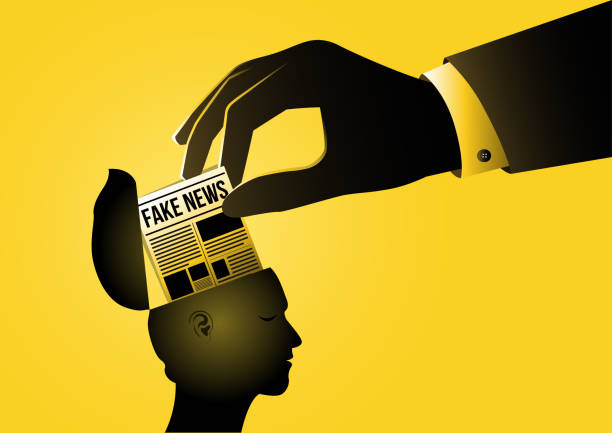
We humans are prone to digital disinformation manipulation due to a complex collection of social, cognitive, economic, and computational biases. To minimize the spread of fake news and falling into echo chambers of confirmational bias, I provide to you , two simple crash courses to immortalize the vulnerability of your awareness on social media.

 THE WEB EXPOSED